


Twenty years of sitting across the table from compliance leaders and CEOs, and I’ve watched the same budget conversation play out many times.
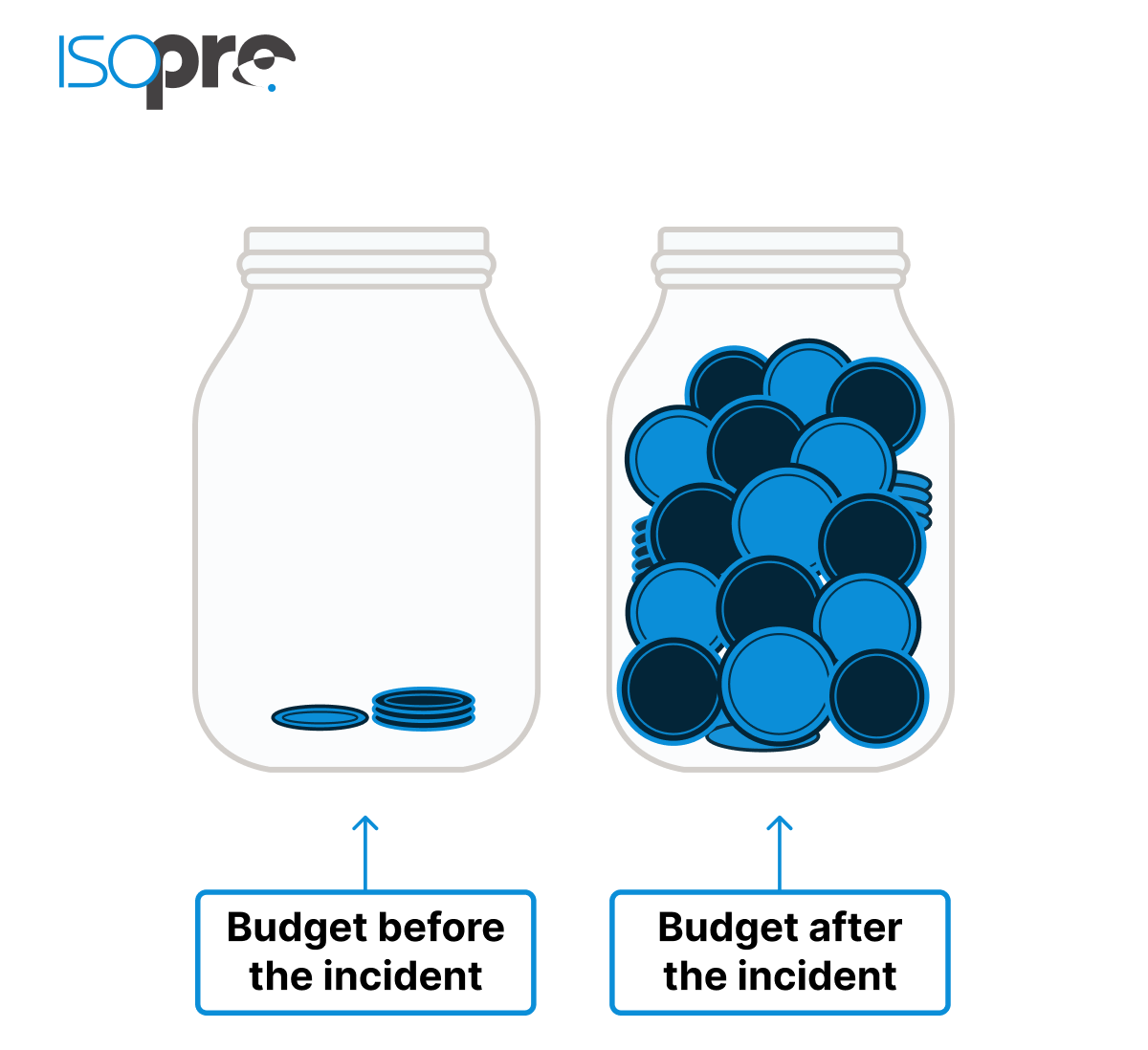
Before an incident, funding for compliance is thin; maybe some funding for voluntary training but all the “prevention is better than the cure” stuff is easy to push to next quarter, or FY. Then something happens, and suddenly there’s a budget for consultants, lawyers, extra management, whatever it takes to unwind the problem.
The catch is that the cure always costs much more, because you’re not just paying to fix the problem but also for the investigation, the corrective actions, the audit follow-up, and whatever else comes with it, like overcompensation. And then consider the damage to the “soft” things: reputation and impact on staff.
Prevention doesn’t need a bigger budget. It means making the case for a smarter one earlier, before a crisis forces a review.
If you’re trying to build that case internally, a platform that gives you peace of mind and 80% of your time back is worth putting in front of management. Get in touch for a 20-minute chat, and we’ll help you build an internal business case backed by numbers.
Gianni Torta and the ISOPro team